 Big news: Tryolabs joins Qubika. Same teams, broader set of combined capabilities. Read now ->


Turning onboard footage into daily catch reports
Onboard AI system that turns fishing vessel video into structured catch data, helping review teams understand fishing activity without waiting for vessels to return to port.
- Industry
- Conservation & fisheries
- Client
- Solution
- Computer vision & Edge AI


About the client
The Nature Conservancy (TNC) works to protect the lands and waters on which life depends. Sustainable fisheries are part of that mission: reliable information about fishing activity helps inform decisions affecting marine biodiversity, food security, and the communities that depend on healthy oceans.
Our work together focused on making that information available sooner and easier to review.
The challenge: footage was available, but insights arrived late
Fishing vessels already carried electronic monitoring systems that recorded activity onboard. Turning that footage into useful information, however, depended on people reviewing hours of video after a trip. Reviews could take weeks or months, and only a fraction of the footage could be examined. As monitoring expanded, more cameras and vessels meant more material for the same review teams to work through.
TNC wanted to close that gap by processing video directly onboard. The challenge extended beyond detecting fish: the system needed to distinguish catch and discard events, organize the findings, and operate reliably with limited computing power and connectivity.
Tryolabs worked with TNC to connect the conservation requirements with the models, hardware, and reporting needed to support that workflow.
What we built: Computer vision for catch monitoring
The system detects, tracks, and counts fish in onboard video, identifying species and distinguishing between catch retained onboard and fish released into the water.
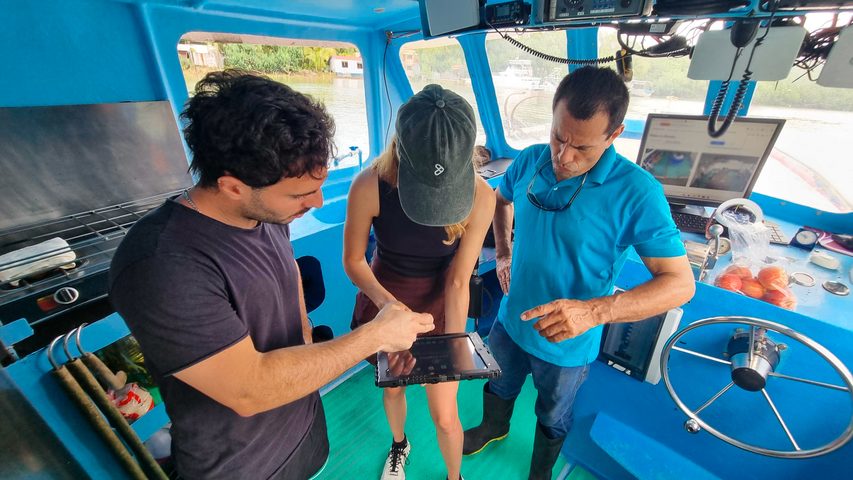
Edge AI onboard: Video processing runs on the vessel’s own hardware. The implementation balances model performance with limited power and computing resources, without requiring cloud access for inference.
Daily automated reporting: At the end of each fishing day, model outputs become a structured report showing catch, discards, and locations, with supporting information for reviewers to examine.


Real-time
Fish are detected, tracked, and counted frame by frame as they cross the deck.

Edge AI onboard
Running on the vessel, within tight power and compute limits, no cloud connection required.

Daily reporting
Each day closes with a report of the catch, the discards, and where it all happened.


Explore how we built the dataset, evaluated detection and tracking, and deployed model updates to devices operating at sea.
A report that lands before the vessel does
The report gives reviewers a starting point for their work. Its summary shows what was retained, what was discarded, and where the activity took place. A daily risk score flags potential irregularities, including restricted species and activity inside protected areas. Review teams can use those signals to identify the vessels and events that deserve closer attention.
The detailed catch log adds context to each event: species, timestamp, model confidence, and a representative video frame. Location information connects those observations with the vessel’s route.
Together, these elements help reviewers move from searching through raw footage to examining organized evidence. The system supports their judgment by making relevant information easier to find and inspect.
Our partnership with TNC
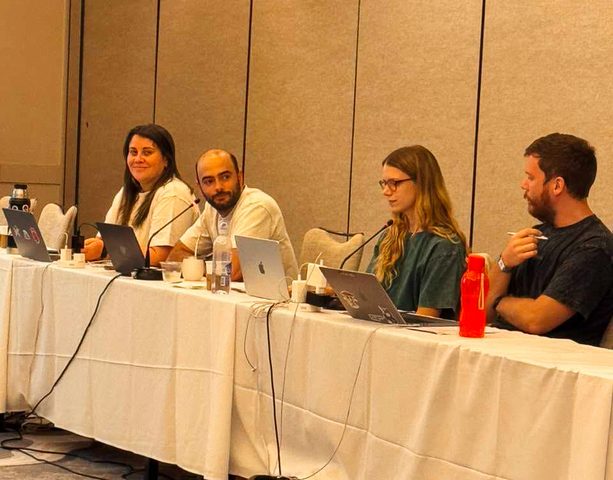
This project is part of a collaboration spanning several years and multiple areas of work. It brings together TNC’s conservation expertise and Tryolabs’ experience in computer vision, data, and applied AI.
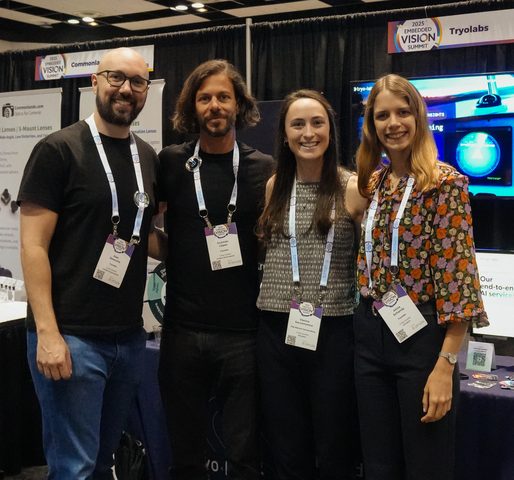
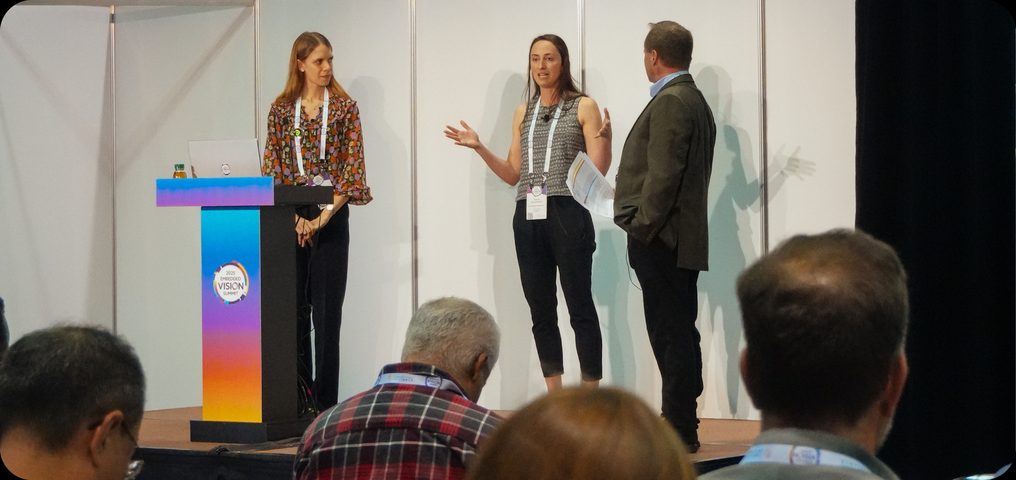
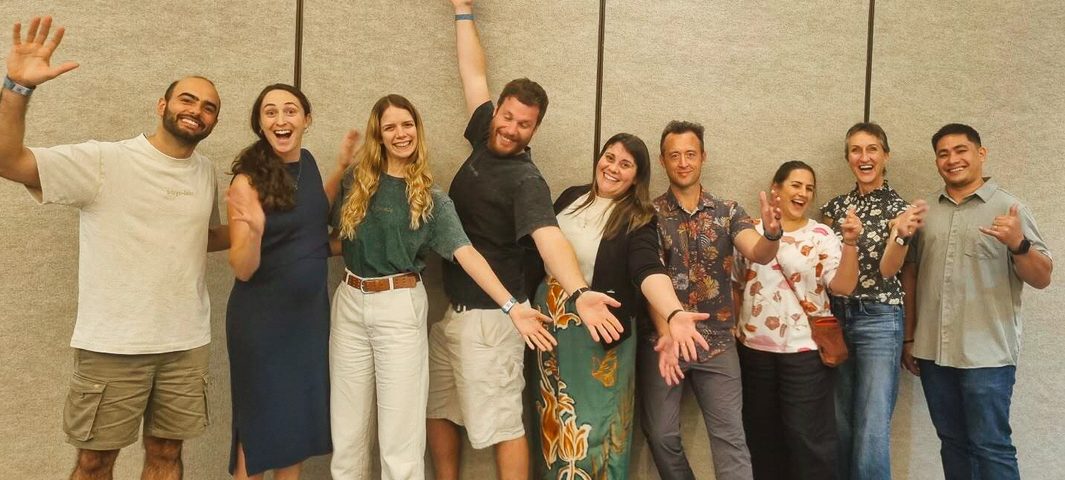
The partnership has also extended beyond delivery. Our teams have shared the work at conferences, discussing the practical challenges of building AI for demanding environments and the opportunities it creates for conservation.
"Working with Tryolabs has been a wonderful experience.
We’re thrilled with the project outcomes and deeply value the team’s broad expertise, intrinsic curiosity, and dedication to producing a top-quality product."
Vienna Saccomanno, Senior Scientist | The Nature Conservancy
Read more
Discover how the world’s leading enterprises partner with Tryolabs for building data-driven solutions that boost their KPIs.


Need to turn video into useful operational data?

Terms and Conditions | © 2026. All rights reserved.